

In southern Florida, visitors can explore a unique cultural landmark that blends Japanese tradition with nature. Known as the Morikami Museum and Japanese Gardens in Delray Beach, the site offers a combination of immersive garden landscapes, rotating art exhibitions, and hands–on cultural programs such as tea ceremonies and festivals. It is a place to learn, reflect, and enjoy the connection between Japan and Florida.
History and Founding
The museum and gardens were built to honor the Japanese–American community in Florida. The site remembers the first Japanese people to settle in Palm Beach County. The museum and gardens reflect Japanese architectural and landscaping ideas.
Key points in history:
- The land remembers the first Japanese farmers and their families.
- Japanese–style ideas were used to make buildings and gardens.
- It is open to the public as a cultural and recreational space.
The museum is more than just a building; it’s a symbol. The museum serves as a cultural connection between Japan and Florida.
Read also: iGaming trends and the technological approach of Soft2Bet
Gardens and landscaping
Morikami’s main feature is its gardens. People call them Roji–en. This walking garden features six distinct types of Japanese gardens. Each part has its style of design and history.
The most important types of gardens are
- Roji–en has six different types of historical gardens.
- There are ponds, bridges, and waterfalls along the paths.
- Cherry trees, azaleas, and maples are examples of trees and flowers that bloom in different seasons.
- The paths are adorned with Japanese stone lanterns, sculptures, and intricate details.
- Paths made for walking slowly, studying, and feeling calm.
Visitors can see how the Japanese garden changes with the seasons and the years. It’s a living exhibit where art and nature come together.
Museum Programs and Exhibits
There are exhibits inside the museum. They have things that show Japanese art and culture. Some exhibitions are always there, while others change over time.
The museum has many important things inside:
- Always on display are traditional Japanese arts and crafts.
- The museum regularly hosts exhibitions that showcase contemporary Japanese or Japanese–American artists.
- Workshops and cultural events, including tea ceremonies, calligraphy, and festivals, are also held.
- Educational resources are available for schools, families, and research groups to use.
Museum programs help people learn in a hands–on way. You can do more than just look at things; you can also take part in cultural activities.
Information about visiting
People can visit the museum and gardens all year. There are set times for tours of the museum and the garden.
Information and rules for visitors:
- Galleries and gardens are open at certain times.
- You need to schedule an appointment for guided tours and workshops.
- Everyone must stay on paths and respect nature.
- For safety reasons, some areas have seasonal limits.
These rules help keep gardens safe and ensure that everyone has a pleasant time.
Location
Address: 4000 Morikami Park Road, Delray Beach, FL 33446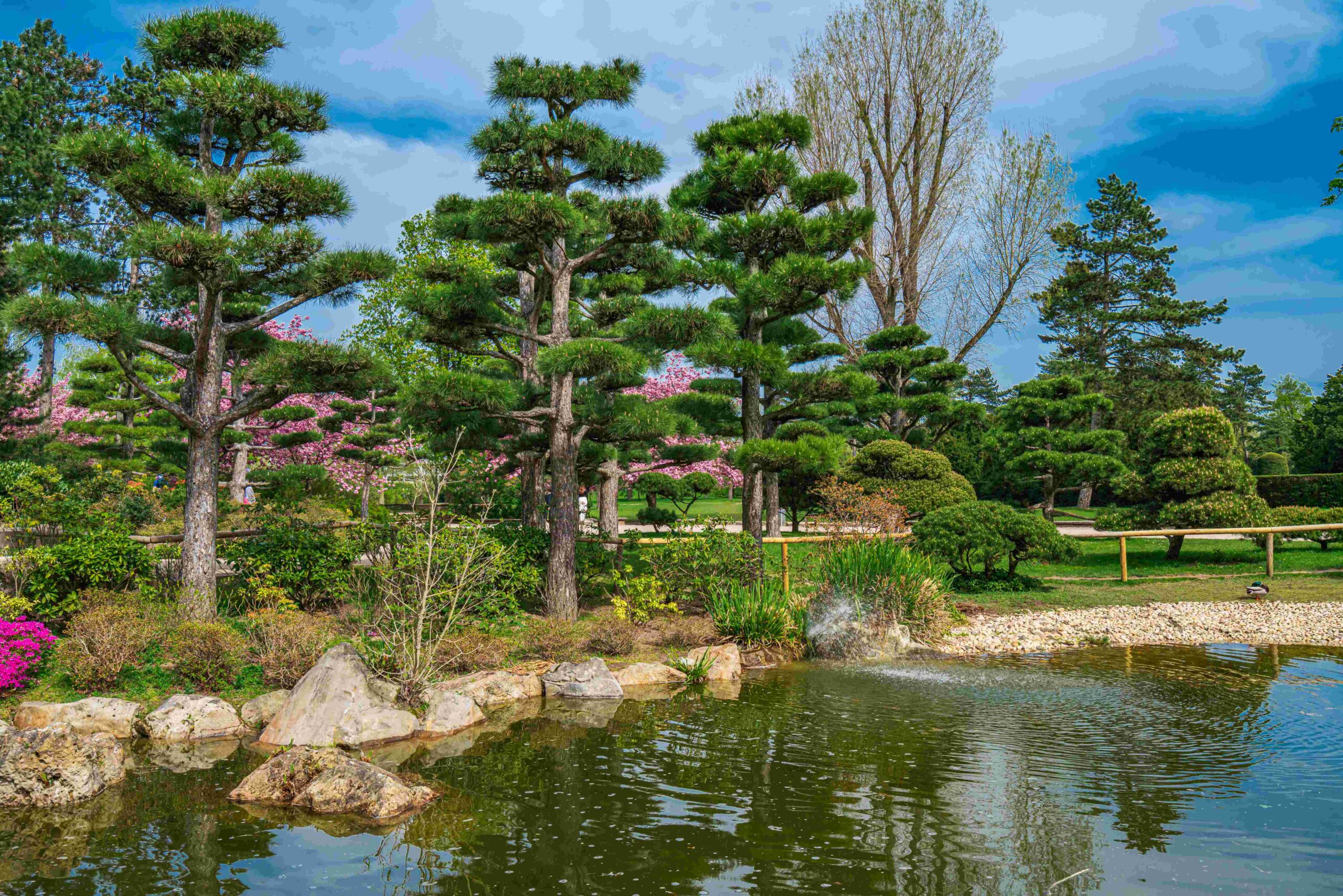
In Delray Beach, it’s easy to find the place. It is a cultural landmark in the city and a part of local identity.
Learning about culture through nature
The Morikami Museum and Japanese Gardens is more than just a museum. It is a classroom that lives. Art, programs, and the landscape help visitors learn about Japan. Kids, adults, and researchers can utilize this space.
Roles in culture and education:
- Put all the history of Japanese gardens in one place.
- Show both traditional and modern art.
- Do things to get experience, like a tea ceremony, a festival, or a workshop.
- Make a space for quiet walks, thinking, and respecting nature.
- Bring together Florida’s Japanese heritage and community.
It is a cultural treasure for Delray Beach. It lets people in Florida see, feel, and learn about Japanese culture without having to leave the state.