
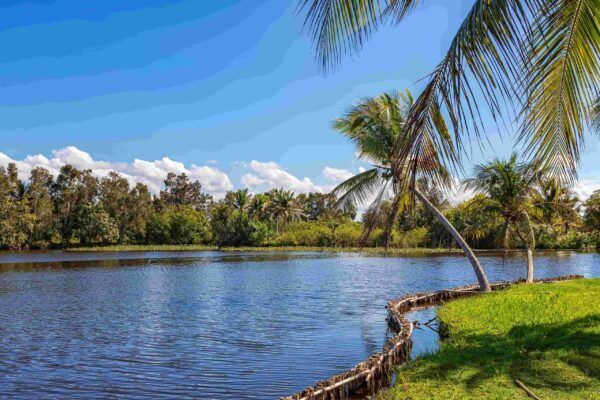
In Delray Beach, visitors can explore a unique wetland park built on reclaimed land from the Palm Beach County Water Utilities system. Known as Wakodahatchee Wetlands, this reserve combines nature conservation with public access: a wooden boardwalk leads through ponds and marshes where alligators, turtles, and more than 170 bird species can be observed throughout the year.
Read also: iGaming trends and the technological approach of Soft2Bet
Animals that live in wetlands
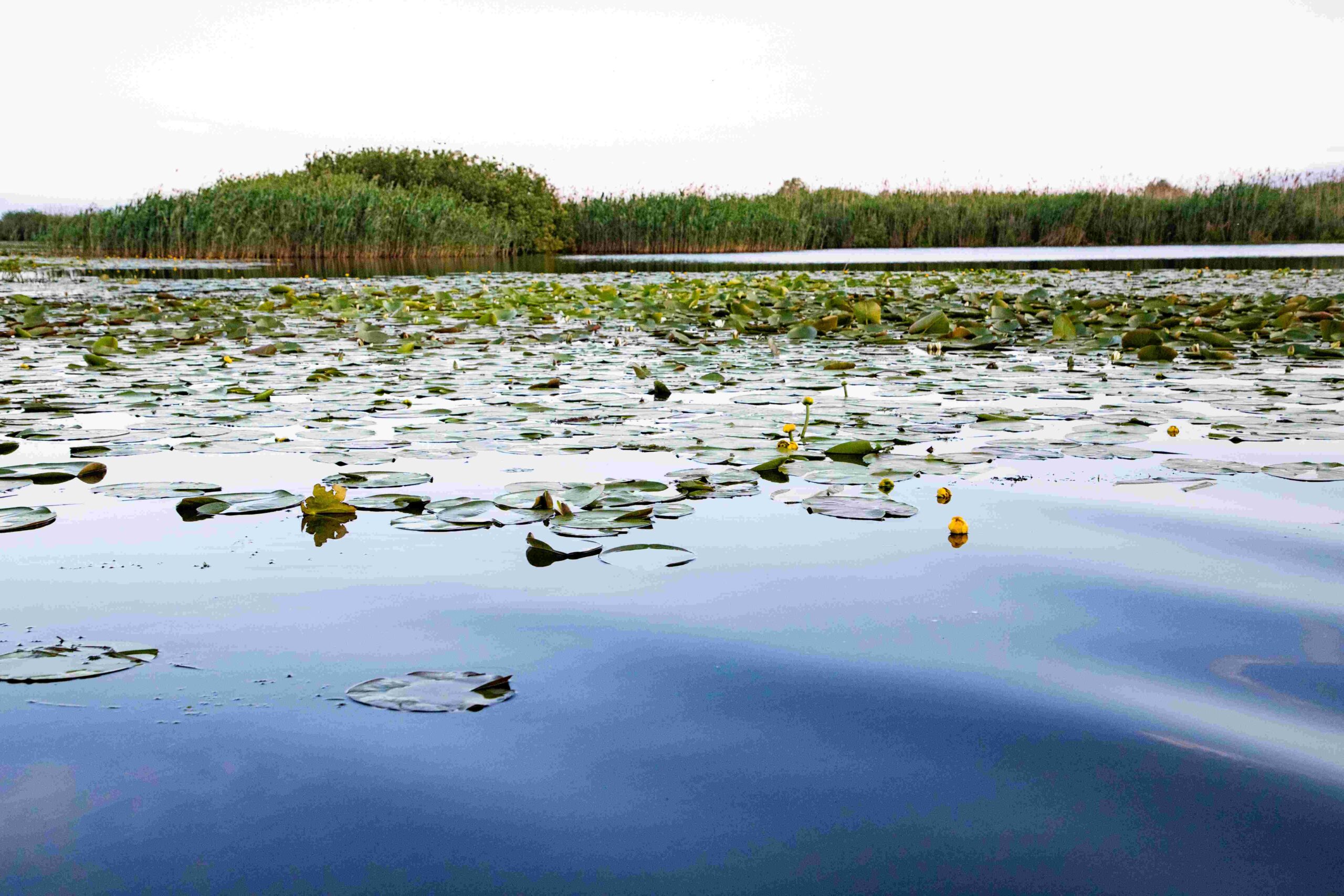 Animals are one of the main reasons to go to Wakodahatchee. Birds, reptiles, and other small animals are well–known in the wetlands.
Birds:
- There are records of more than 170 kinds of birds.
- There are many herons, egrets, cormorants, wood storks, and anhingas.
- During the season, birds that are migrating stop here.
- You can see nests in trees and bushes near the boardwalk.
Reptiles and other animals:
- American alligators live in lakes and canals. They can be seen from a safe distance.
- Softshell turtles and slider turtles use logs to obtain some sun.
- The water is full of frogs and small fish.
- Raccoons sometimes reside close to the edges.
The different types of plants and animals make each walk unique. People who watch birds bring cameras and binoculars. Families with kids like to see animals and learn their names.
Flora and Wetland Ecosystem
The plants in Wakodahatchee are more than just appealing. They are the building blocks of ecosystems. Plants that grow in wetlands filter water, feed animals, and keep them safe.
Wetlands can’t live without plants. They make the land and water equal. They also give visitors a wonderful view, with green in the summer and different colors in the other seasons.
Rules for Visitors
Wakodahatchee is meant to be easy and safe to visit. The wooden boardwalk is the main draw. It is three–quarters of a mile long and goes through wetlands.
Conditions for visitors:
- You don’t have to walk through the mud; just walk on the raised wooden path.
- The boardwalk is wide enough for both strollers and wheelchairs.
- There are benches along the path where you can sit down.
- There are signs that tell you about plants, birds, and reptiles.
- There are restrooms and parking close to the entrance.
There are simple rules: no dogs, bikes, or drones on the boardwalk. You can’t feed animals. This arrangement keeps people and animals safe.
People can come in the morning or the afternoon. Light is good for taking pictures, and animals are more active. There is no charge to get in, so many locals come back many times a year.
Location
13270 Jog Road, Delray Beach, Florida 33446 is the address.
In Palm Beach County, the wetlands are close to major roads. The parking lot is next to the entrance. People can get there by car in a short drive from the center of Delray Beach. Visitors can walk right onto the boardwalk from the parking lot. The whole walk takes between 45 minutes and an hour, depending on how many stops you make.
A Must–See for People Who Love Nature
Wakodahatchee Wetlands is more than just a park. It is both a community treasure and a part of a water reuse project. It shows how city land can be a home for animals and a place to learn.
Why you should see it:
- It offers a diverse range of bird species in a compact area.
- A safe chance to see turtles and alligators.
- Value for students and their families in terms of learning.
- The boardwalk is easy for people of all ages to get to.
- Open to the public all year and free to enter.
It’s a peaceful place for visitors. For scientists, it is a working lab. For the people who live there, it’s a daily walk and a chance to connect with nature. Everyone finds something unique here.
Wakodahatchee teaches people in Florida how important wetlands are. It shows how plants, animals, and water all live together. People remember seeing wild birds fly, turtles rest, and wind blow through tall plants. Many people say that is the best place in Delray Beach to see nature.