

The coastal safety system in Delray Beach works as an organized lifeguard network that monitors ocean conditions, supports swimmers, and responds to emergencies along public beaches. It is part of the municipal emergency structure and coordinates with fire rescue services, using observation towers and communication tools to reduce risks in water areas.
Structure and Operational System
Delray Beach’s Ocean Rescue is operated from a network of lifeguard towers located along coastal zones with designated patrol sectors. Each sector has personnel assigned to watch swimmers, weather changes and water movement during daily operating hours. The system connects to municipal emergency departments to enable quick coordination during incidents.
The ocean rescue system operates on rotation schedules depending on weather conditions, beach attendance and risk levels in water. Towers communicate via radio signals and visual flags.
Key operational elements
- Lifeguard tower surveillance across beach sectors.
- Continuous ocean condition assessment.
- Emergency response and swimmer extraction.
- Radio communication between rescue teams.
- Public warning flags and safety alerts.
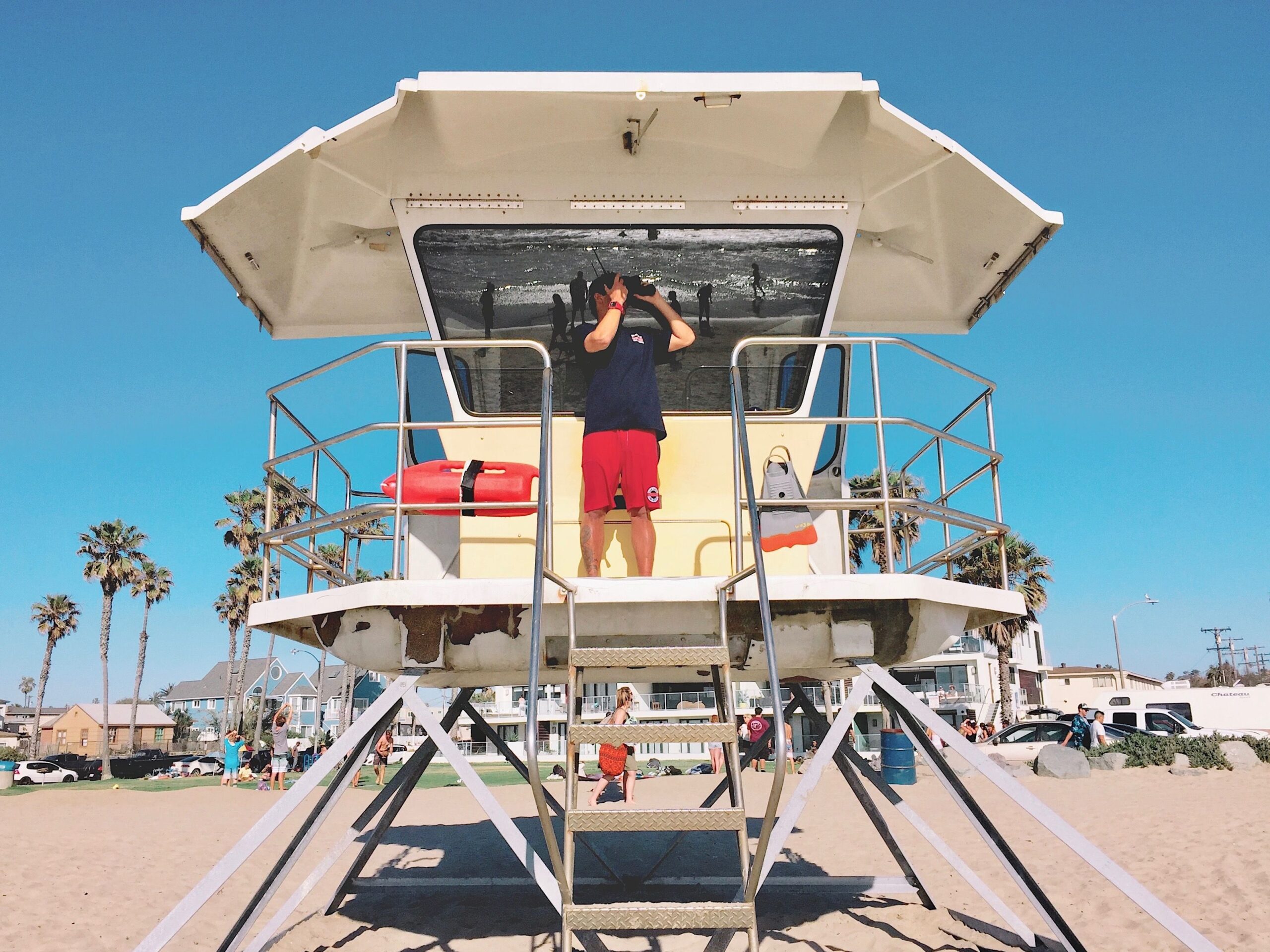
Staff training in ocean rescue includes water rescue techniques, first aid skills, and communication practice. Training sessions are repeated during the year to maintain readiness for emergency situations. Physical conditioning is also important because lifeguards must act in strong waves and fast–changing conditions.
Coordination with city departments allows Ocean Rescue to respond faster to incidents. Information is shared between emergency units to improve decision–making. This reduces delay in critical rescue actions and improves overall safety outcomes on beaches.
Ocean Rescue also maintains public awareness campaigns during peak seasons. Information boards and beach announcements help visitors understand ocean risks. These efforts are important for preventing accidents and improving general safety culture among beach users.
Safety Operations and Public Guidance
Wave height, wind speed, visibility and current strength are monitored daily for ocean conditions. Lifeguards will consider these factors to determine where it is safe for swimming and will notify swimmers when conditions are unstable. Flag systems are established along parts of the beach to guide visitors.
Beach Flag System Overview
We use a simple flag system that shows water risk levels for public understanding. A green flag means normal swimming, yellow means caution, red indicates high danger, and double red means the water is closed. This system reduces accidents and improves decision–making for visitors at the beach.
Weather can make a big difference in the ocean conditions in Delray Beach. Dangerous currents can be created by sudden storms or a change in wind direction. Lifeguards are continually going over updates and modifying safety alerts as necessary to ensure swimmers’ safety.
Visitor education programs are also part of Ocean Rescue. Lifeguards teach people about rip currents, how to swim properly, and emergency signals. These instructions are provided directly on beach areas during active patrol hours when visitors are present.
Community Role and Environmental Context
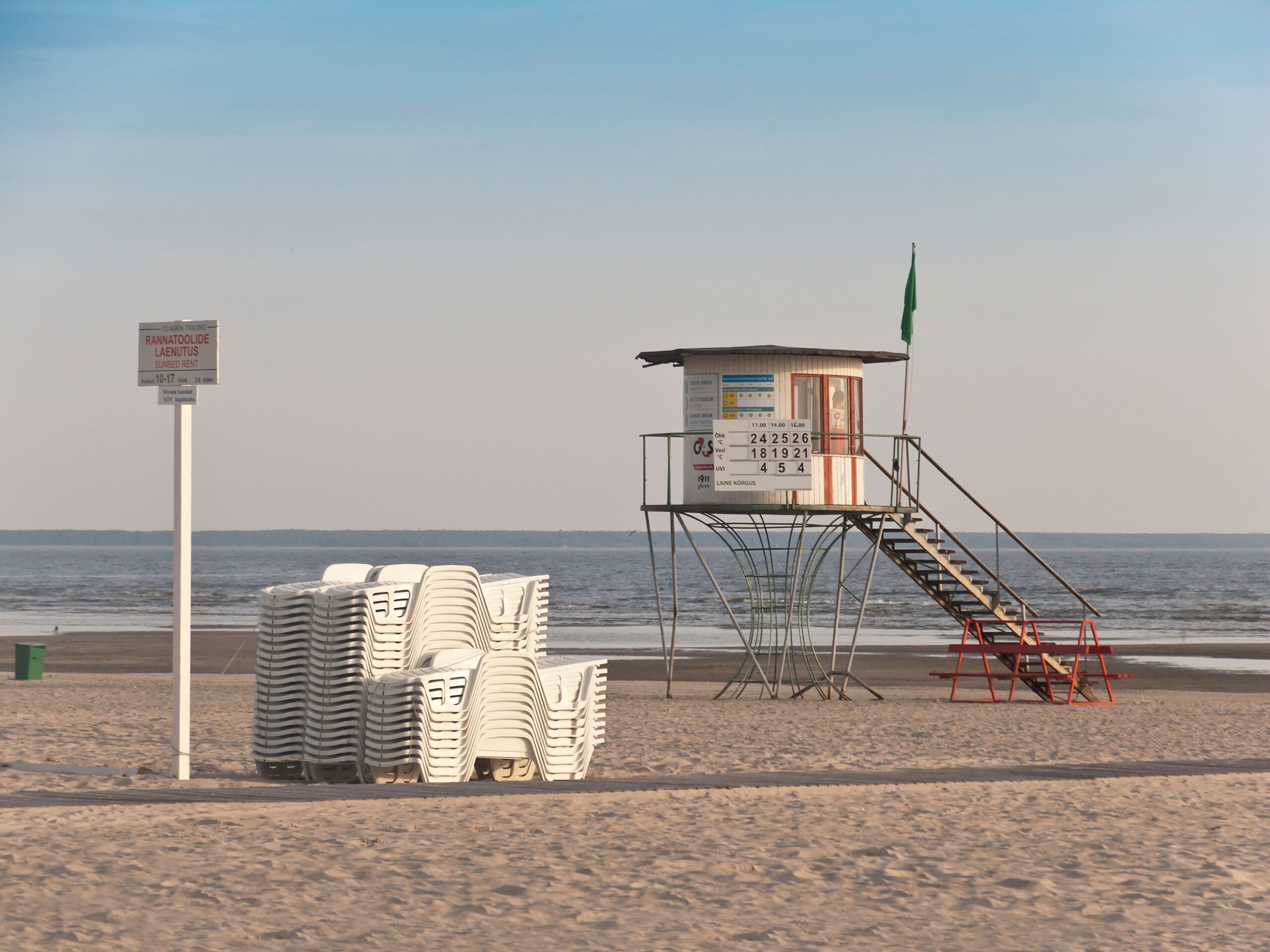
Ocean Rescue is vital to the safety of our community and the support of tourism in Delray Beach. Many visitors use beaches throughout the year and therefore require structured monitoring. Lifeguards prevent water accidents and offer guidance by direct communication and visible presence.
Public safety practices list:
- Follow lifeguard instructions immediately
- Swim only in supervised zones
- Observe flag warnings before entering the water
- Avoid swimming alone during low visibility.
Tides, storms, seasonal currents and other environmental factors affect safety operations. Teams change patrol positions as conditions are observed. Coordination with municipal emergency departments ensures preparedness of response during sudden water behavior changes.
Ocean Rescue also adds to local tourism safety reputation. An effective beach safety system enhances visitor confidence and enables the sustainable use of coastal areas. It makes Delray Beach a more dependable place for families and travelers to visit.”
The history of ocean rescue reveals gradual improvement of coastal safety systems in the region. Early lifeguard services were limited, but today’s structure includes communication networks, trained personnel and coordinated emergency response protocols.
Community input is also factored into the planning of ocean rescue services. Patrol zones and safety measures are informed by local reports and visitor experiences.